

How To Spray Art Varnish On Drawings Liquid Tex
Learn how to varnish an acrylic painting! It is essential that you lot varnish your completed acrylic paintings. The varnish volition protect the painting from grit, UV rays and yellowing. Plus it adds a layer of shine that somehow, near as if past magic, pulls the whole painting together and makes information technology expect even more than amazing, bringing out the gorgeous vibrancy of the colors. Trust me!
Varnish comes in gloss, satin or matte finish. I commonly stick with gloss varnish because I honey the look of a sleeky finish, but you may have your ain preference. You tin mix whatsoever of these types of varnish to get the exact end that you are looking for, simply it volition have some experimentation! Learning how to varnish an acrylic painting involves this kind of experimentation so that you go it but right.
1 thing I want to quickly add at this bespeak, is that if you desire to photo your painting, do it At present - earlier it'southward been varnished. The varnish will inevitably cause a glare if light is flashed upon it, making it difficult to photograph. I ever photograph and/or browse my paintings before varnishing. I've tried to photo paintings subsequently they've been varnished, and trust me, it's a pain in the patootey. Information technology's possible, merely it takes a lot of patience, trial and mistake, and a takes a lot of space on your camera'south memory bill of fare.
Varnishing an Acrylic Painting
When yous're ready to varnish, make certain that the painting is completely dry outset. If it's the slightest bit wet, the varnish will mix with the moisture paint and streak beyond the canvas. Unless that is your desired effect (hey, why not?), y'all volition want to avoid this. Also brand sure that the surface is free from dust, dirt, and whatsoever other undesirable things similar lint.
To varnish, e'er keep a separate glass jar or plastic cup aside exclusively for varnishing. Don't employ the aforementioned jar you use to dip your paintbrush in as you lot are painting! The reason is that there will inevitably exist little $.25 of pigment stuck and dried to the within, outside, or lip of the jar. If these get into your varnish or onto your varnishing brush, they will then stick to your painting. Not cool! Also, I go on a dissever brush simply for varnishing, for the same reason. You tin see and read about the brush I utilise for varnishing (this links to Blick Art Materials, and if you lot make a purchase I get a small committee that helps support this site). It'due south definitely worthwhile to keep a special castor aside just for varnishing. Because information technology won't be used often (unless you create a lot of paintings at a astounding pace), it volition terminal a long time. Therefore, it's well-worth the small investment!
Rinse the jar in water before putting in varnish, because rinsing will wash out major dust particles. Likewise, requite your varnishing brush a quick rinse too.
If y'all make a purchase via the links below I receive a small commission, which helps support this site.
If you're using a polymer varnish like I am, then in the jar, mix the correct ratio of varnish and water equally instructed on the bottle of varnish. (If you're using a Mineral Spirit Acrylic Varnish (MSA Varnish), do not mix the varnish with water, and instead follow the instructions on the bottle.) Try to mix out more than you lot think you'll need, to ensure that y'all'll have enough to varnish the painting in one go. It may take some practice to get this corporeality but correct, only you'll soon get it equally you learn how to varnish an acrylic painting. You lot can even salve whatsoever unused varnish. I would but put a solid covering (like a lid, or something heavy like a book, or plastic wrap held in place with a rubber band) over the tiptop of the jar, and then use it again in a couple days when I had finished another painting. I would recommend non keeping the varnish mixture for more than than a few days though, because it does get cloudy. It's probably fine, but as a perfectionist I'd rather mix a whole new varnish batter.
I employ Golden Acrylic Polymer Varnish, which I as well talk over here. This varnish is removable, so if for any reason it needed to exist removed, it tin can be removed with an ammonia solution. For my ain art, I've never had the need to remove the varnish, simply it still seems comforting to have that pick. Art conservationists say that information technology'southward preferable to have the removability pick, in case the varnish somehow yellows or something needs to be cleaned. It'due south important to keep the longevity of the artwork in mind... who knows, your work may be in a major museum several millenia from at present and they may demand to remove the varnish to clean it! Why not make their job easier? ;)
If you employ a removable varnish and you think that someday the varnish might need to be removed for any reason, you'll need to apply an isolation glaze before you varnish the painting. The isolation glaze acts as a barrier between your painting and the varnish, protecting your painting from the chemicals that remove the varnish.
To apply an isolation coat, apply an acrylic gel medium or gel gloss such every bit Gold Soft Gel Gloss, diluted with water. For instance, the packaging for Gilt Soft Gel Gloss recommends mixing 2 parts Soft Gel Gloss to 1 role water, but follow any instructions are on the gloss medium or gel gloss that you choose. To apply the isolation coat, follow the bones steps outlined here for varnishing, considering the process is similar, and permit at to the lowest degree 24 hours or more than for the isolation coat to completely dry out before applying your varnish.
If you want to know more near applying an isolation coat, bank check out this handy folio on the Aureate website, which besides includes a note of caution because "isolation coats are also meaning and permanent additions to a painting and inevitably will cause changes in the painting's surface qualities." Read more at the aforementioned link! (Also, note that you can still utilize a removable varnish on your painting, even if you don't utilize an isolation coat - the varnish volition still protect the painting, but it'southward all-time to never remove the varnish or you'll chance dissentious the painting.)
The next pace in how to varnish an acrylic painting:
Lay the painting flat while varnishing, and make sure it's in a place where it can lie flat and undisturbed for a few hours while the varnish dries. If you lot endeavour to varnish the painting while it's hanging on a wall, for example, the varnish will just run down the canvass and drip all over the flooring. And brand sure that while the varnish is being applied and drying, the painting is in a identify inaccessible past children and pets, equally they are known to wreak havoc.
There is a take a chance that any excess varnish might drip down the side of the painting, so I always lay down a wooden lath to protect the surface underneath. If varnish does drip over the side of your canvas or wood panel, at that place is a run a risk it might stick to the surface below. It's unremarkably easily removable, merely there's a take a chance of slight damage to the varnish on the painting. Therefore, if the painting is on a wood console, I prop it upwardly past putting something underneath that will lift it from the surface of the wooden board. For example, I have a big tub of gesso that has a flat superlative. The tub is very solid and stable, so I know it won't fall over if accidentally nudged. If the painting is on canvass, I prop it upward with four equally-sized objects underneath each corner, where the stretcher confined connect. Have a look at the analogy below to see what I mean:
Dip the brush into the varnish about 1/three to 1/4-way downwards the length of the castor and gently tap off the excess. Property the brush at an angle, apply the varnish in even strokes beyond the painting, moving the castor in the same management each time. Start at one corner and work your way beyond the whole painting in a parallel mode.
When you are done, look at the surface of the painting from an bending. If in that location are any parts that are not shiny and wet, gently go over it with a fleck of varnish. It helps if yous polish a light on information technology, because the wet, varnished parts with sparkle in the light. If yous run into whatsoever dust or other debris that may have fallen into the varnish, gently and carefully pull information technology out using a toothpick or some other small, pointed object. Sometimes I use my fingernails for this (even though they are not pointy).
Allow a few hours for the varnish to dry out, according to the time indicated on the package. Then you may or may not desire to give information technology another glaze of varnish. Sometimes the varnish doesn't comprehend completely evenly the first time effectually, so another glaze will even everything out. I usually give my photorealist paintings ii coats of varnish. I allow the first coat dry for almost 3-4 hours, then I gently touch the surface with my freshly-washed finger to ensure that it is indeed dry. Then I utilise the second coat of varnish in the style described in a higher place.
When you're done, carefully and thoroughly clean the jar and the brush, and keep them someplace safe where they won't collect whatever grit.
Congratulations! At present you've completed your acrylic painting!
Level-up Your Painting Skills!
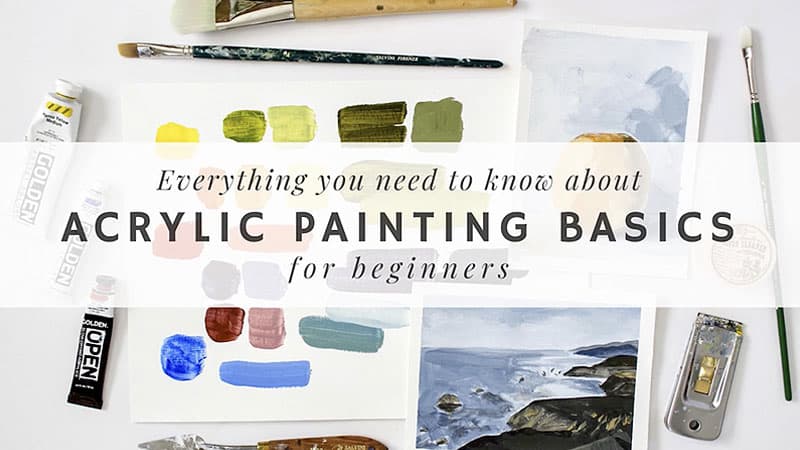
Learn more about the basics of acrylic painting with these video courses on Skillshare. Get started right away with their 14-mean solar day free trial or use the code ARTISFUN30 to get 30% off annual membership! Equally an chapter to Skillshare, nosotros get a small commission that helps support this site.

Source: https://www.art-is-fun.com/how-to-varnish-an-acrylic-painting
Posted by: austinyouthisesir87.blogspot.com
0 Response to "How To Spray Art Varnish On Drawings Liquid Tex"
Post a Comment